Frasers Property Clears Final Hurdle for The Centrepoint Rear Block Purchase
Published: November 19, 2026
Frasers Property gains full control of a prime Orchard Road site after Singapore High Court approval of the S$391.9 million collective sale. Explore the strategic rationale and next steps.
⚡ Quick Take
Frasers Property has cleared a key regulatory step in its S$391.9 million collective sale purchase of The Centrepoint’s rear block. Singapore’s High Court signed off once the last owner objections were pulled.
Summary:
The move gives Frasers full operational and structural control over a prime Orchard Road site. Clearing the Strata Titles Board and High Court process removes the last legal barrier, letting the developer move ahead with plans to reposition the asset.
The Deal Structure:
The transaction went through Singapore’s standard collective sale route. Savills Singapore handled the marketing for the sellers. Details on psf ppr pricing, payment split, and how the deal was financed have not been released.
Strategic Rationale:
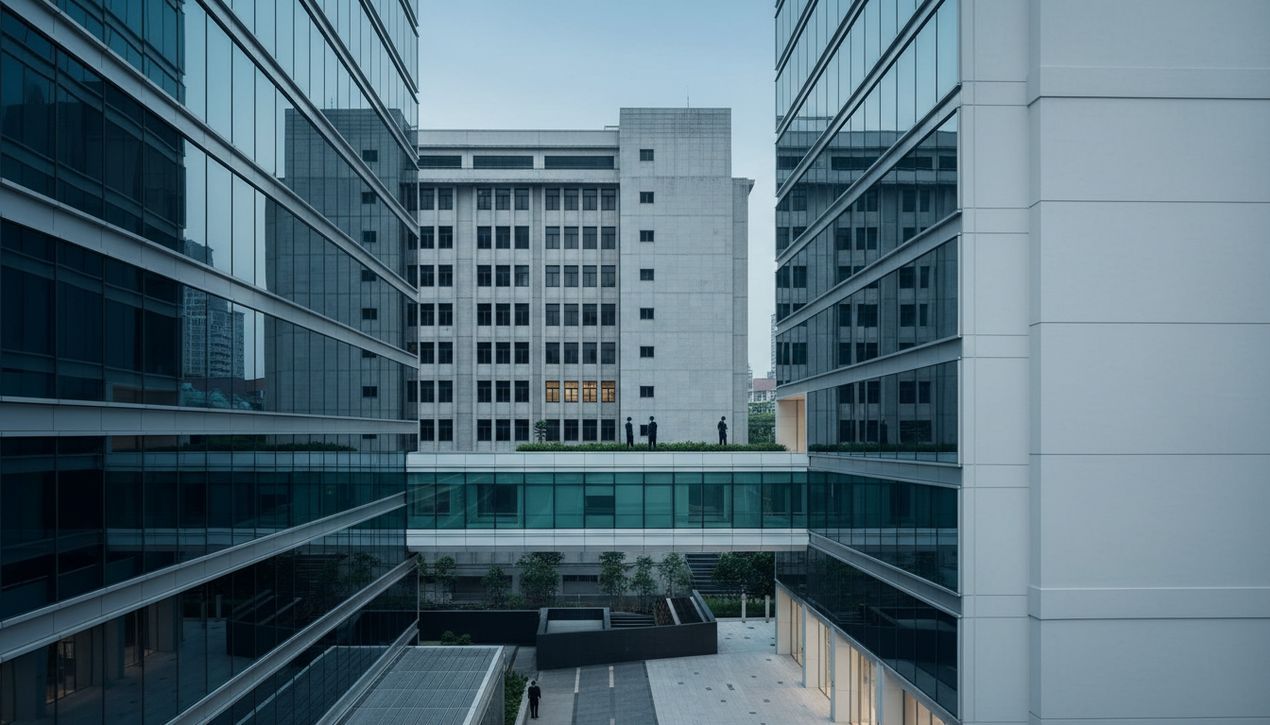
Frasers is stitching together fragmented ownership around its main Centrepoint holding. Buying the rear block removes split-title complications and gives the group a clean platform for redevelopment or asset enhancement without constant negotiation with minority owners.
Market & Competitive Impact:
The purchase keeps a strategically located parcel out of rivals’ hands. It also underlines how difficult it remains to assemble contiguous prime sites in Orchard Road once strata holdouts appear, and it may serve as a reference point for similar buyouts in established commercial strips.
The Under-Reported Angle:
Most reporting has stopped at the court timeline. The heavier lift now sits with integration: marrying an older rear block to the modernised frontage while staying inside URA zoning limits, GFA caps, and the added cost of BSD and professional fees.
🧠 Deep Dive
The deal traces back to the usual problems that surface in older Orchard Road buildings: aging structures and the drag created by split strata ownership. Frasers already controlled the main retail asset, but a separate CSC still held the rear block. That split blocked meaningful AEI work and left capital-constrained minority owners unable to fund upgrades on their own.
Once the legal path opened, attention shifts to execution. Linking the two parcels will require meaningful capex, alignment of M&E systems, and careful handling of tenant moves. Value will ultimately depend on whether Frasers can draw Orchard Road foot traffic through to the rear without hurting trading performance at the front.
Singapore’s Land Titles (Strata) Act is built to balance those interests, and the STB’s initial stop order after two objections showed how easily these sales can stall. The objections were withdrawn just before the High Court hearing, suggesting mediation worked in time to avoid a longer, value-draining dispute.
The S$391.9 million headline price sits without supporting land-area or plot-ratio data, so the true entry cost is hard to pin down. Comparable deals in the same corridor point to an adjacency premium. Add stamp duty and advisory costs and the all-in number moves higher still.
📊 Deal Stakeholders & Strategic Impact
| Stakeholder / Aspect | Impact | Insight |
|---|---|---|
| Acquirer (Frasers Property) | High | Secures absolute site control, closing capability gaps for future precinct-level master planning and AEI. |
| Target Owners & CSC | High | Achieves final liquidity event after navigating mediation; mitigates risk of a collapsed sale under STB delays. |
| Competing Strategics | Medium | Removes a highly strategic Orchard Road parcel from the open market, forcing competitors to look elsewhere for prime footprint. |
| Regulators (STB & High Court) | Variable | Demonstrates the functional resolution pathways of the strata framework when mediation precedes formal court intervention. |
🌐 Market Context
Singapore’s top-tier developers continue to buy out remaining strata pockets to enable larger, coordinated redevelopments. This transaction fits the pattern of defensive capital spending aimed at protecting flagship assets against shifting footfall and tighter URA rules.
🔭 match.asia Market Perspective
The Centrepoint deal shows that prime-site consolidation in mature Asian markets often hinges on legal navigation and patient mediation as much as on available capital. With the STB issue resolved, attention now turns to Frasers’ next URA filings—whether the group opts for straightforward integration or pushes for a more ambitious master plan that could unlock additional plot ratio. The next 12 to 24 months will reveal which route is taken.