How to Sell an SME?
公開日: November 5, 2026
更新日: November 6, 2026
Key Insights
- Understand your SME’s value — Learn what buyers look for and the main factors that influence business valuation.
- Prepare your business for sale — Organise financial, legal and operational records and reduce owner dependency.
- Choose the right exit strategy — Compare strategic buyers, financial buyers, management buyouts and individual acquirers.
- Find and qualify buyers — Identify credible buyers with the right interest, funding and acquisition objectives.
- Manage buyer outreach carefully — Present your business clearly while protecting sensitive information.
- Navigate negotiations and due diligence — Understand deal structure, payment terms, liabilities, completion conditions and seller responsibilities.
- Complete the transaction properly — Prepare for agreements, regulatory requirements, payment and ownership transfer.
- Understand how to sell an SME in Asia — Explore buyer opportunities across Asia while considering the legal, tax and regulatory requirements of the relevant jurisdiction.
Table of Contents
1.Understand Your SMEs Value and Buyer Perspective2.Prepare Your SME for Sale3.Choose the Right Exit Strategy4.Identify and Evaluate Potential Buyers4.1.Strategic Buyers and Companies4.2.Financial Buyers and Other Acquisition Options5.Start Buyer Outreach and Manage the Sale Process6.Navigate Negotiation and Deal Execution7.Conclusion8.Frequently Asked QuestionsSelling a small or medium-sized enterprise (SME) is an important business decision. After years of building the company, owners want to secure a fair price, find the right buyer and ensure the business is well positioned for its next stage of growth. However, selling an SME involves more than finding someone willing to purchase it. The process requires careful preparation, a realistic valuation, suitable buyer identification, effective negotiations and proper due diligence. Understanding how to sell an SME can help business owners make informed decisions and avoid common mistakes. Whether you are planning to retire, pursue another venture or bring in a strategic partner, having a clear sale strategy can improve your readiness and help you manage the transaction more effectively.
Understand Your SME’s Value and Buyer Perspective
The first step in selling an SME business is understanding what your company may be worth and what a potential buyer would consider valuable. An SME business valuation typically considers several factors, including revenue, profitability, cash flow, assets, market position, customer relationships and growth potential. Buyers may also assess risks such as customer concentration, outstanding liabilities, operational inefficiencies and dependence on the owner. Common valuation approaches include:
-
- Earnings-based valuation: Estimates value using the company's earnings and an appropriate valuation multiple.
-
- Asset-based valuation: Assesses the value of business assets after accounting for relevant liabilities.
-
- Comparable transaction analysis: Examines the prices paid for similar businesses in previous acquisitions.
The most suitable approach depends on the company's business model, financial performance and industry. Buyers also evaluate how easily they can take over and operate the business. A company with reliable financial records, documented processes, recurring revenue and a capable management team may be more attractive than one that depends entirely on its founder. Before setting an asking price, estimate your SME's value and consider obtaining professional advice. Remember that an estimated valuation is a starting point, not a guaranteed sale price. The final amount depends on buyer interest, negotiations, due diligence and the agreed deal structure.
Prepare Your SME for Sale
Preparation helps buyers understand the business and reduces uncertainty during the sale process. Ideally, owners should begin preparing well before approaching potential acquirers. Start by organising financial statements, tax records, customer contracts, supplier agreements, employee information, licences and details of assets and liabilities. Buyers will generally want to verify the information presented during initial discussions. Next, review the company's operations. Identify processes that depend heavily on your personal involvement and consider documenting responsibilities, strengthening management practices and addressing operational weaknesses.
You should also review any outstanding legal, financial or contractual issues that could affect the transaction. Resolving problems early may help prevent delays during due diligence. Present the business clearly by explaining its products or services, customer base, competitive advantages and growth opportunities. Support claims with reliable information rather than relying on optimistic projections. It is also worth assessing whether your company is ready for a sale. You can check your business sale readiness to review important areas such as financial preparation, governance, operations and documentation. A well-prepared business gives buyers a clearer picture of what they are acquiring and can help make negotiations more productive.
Choose the Right Exit Strategy
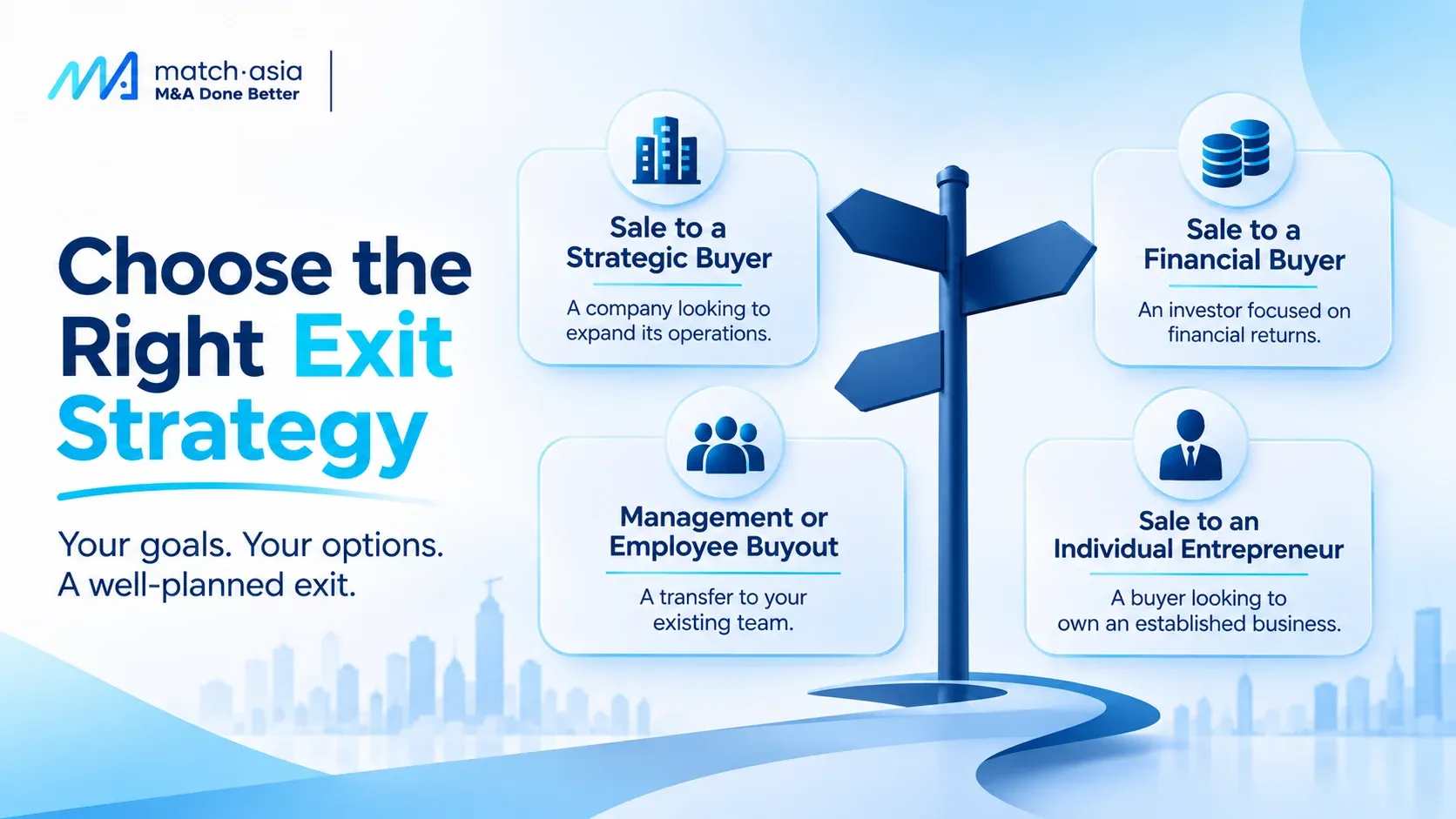
An SME exit strategy defines how you intend to transfer ownership and what you want to achieve from the sale. Some owners prioritise maximising the sale price, while others value a faster transaction, business continuity, employee stability or the opportunity to remain involved after the acquisition. Your objectives should influence the type of buyer you target and how you approach the market. Common exit options include:
-
- Sale to a strategic buyer: Selling to an existing company that wants to expand its operations, customer base, products or geographic reach.
-
- Sale to a financial buyer: Selling to an investor interested in the company's financial performance and growth potential.
-
- Management or employee buyout: Transferring ownership to existing managers or employees, subject to their financial capacity and the agreed transaction structure.
-
- Sale to an individual entrepreneur: Selling to someone who wants to acquire an established business rather than start one from scratch.
Each option has different implications for price, transaction complexity, ownership continuity and the seller's future role. For example, a strategic acquirer may value your customer relationships or distribution capabilities because they complement its existing operations. A financial buyer may focus more heavily on earnings, cash flow and opportunities to improve performance. Consider your financial needs, preferred timeline and willingness to remain involved after the sale before deciding which exit route best suits your business.
Identify and Evaluate Potential Buyers
Finding buyers for an SME requires more than generating enquiries. You need to identify people or organisations with a genuine acquisition interest and the ability to complete the transaction. Buyer screening helps you focus on credible prospects and protect sensitive business information.
1. Strategic Buyers and Companies
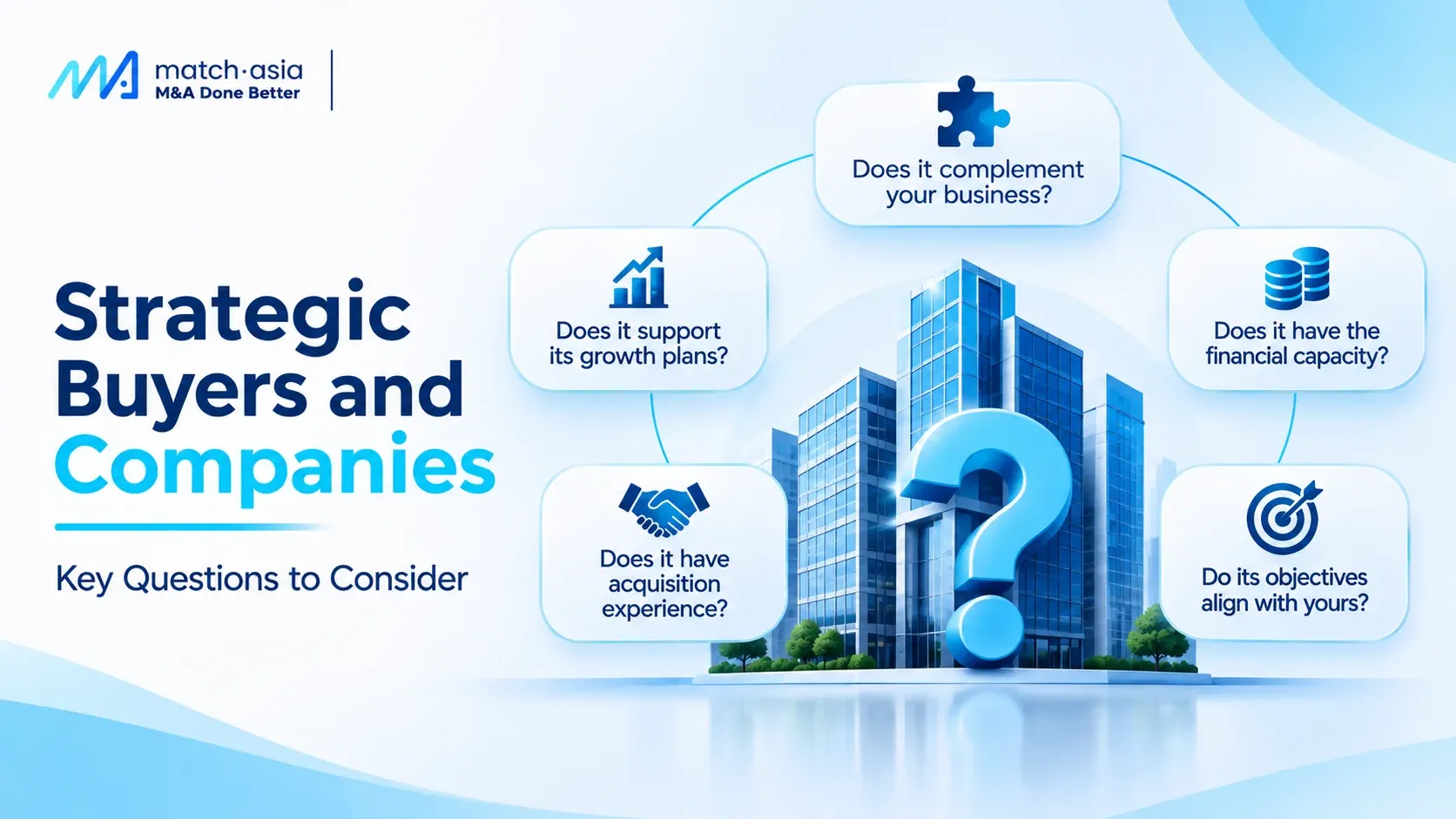
A strategic buyer is an existing business that sees value in acquiring your company as part of its wider commercial strategy. For example, a manufacturer may acquire a smaller supplier to strengthen its supply chain. A regional services company may acquire an SME to enter another market, while a technology business may purchase a smaller company to gain specialised expertise or customer relationships. When considering a strategic acquirer, assess:
-
- Whether your business complements its existing operations.
-
- Whether the acquisition supports its expansion plans.
-
- Whether it has the financial capacity to complete the purchase.
-
- Whether it has relevant acquisition experience.
-
- Whether its objectives align with your expectations for the business.
Selling an SME to a company may offer opportunities for growth and continuity, but the outcome depends on the buyer's plans and the terms negotiated. Be particularly careful when approaching competitors or commercial partners. Share sensitive information selectively and use appropriate confidentiality arrangements before providing detailed financial or operational records.
2. Financial Buyers and Other Acquisition Options
Financial buyers evaluate businesses primarily in terms of investment potential, financial performance and expected returns. Depending on their investment strategy, they may be interested in profitable SMEs, businesses with growth opportunities or companies that could benefit from additional capital and professional management. Other potential acquirers include individual entrepreneurs, industry investors and companies expanding into new markets. When evaluating these buyers, consider their acquisition objectives, funding capability, relevant experience and proposed ownership structure. An interested party is not necessarily a qualified buyer, so assess whether it can realistically proceed. You should also compare offers based on more than price. Payment terms, financing conditions, completion timelines and the buyer's plans for the business may all affect which offer is most suitable.
Start Buyer Outreach and Manage the Sale Process
Once your business is prepared and your target buyer groups are clear, begin buyer outreach. You can approach potential acquirers directly, use professional networks, work with an M&A advisor or present your company through a suitable business sale platform. For SMEs seeking buyers across Southeast Asia, explore selling options across Asia to understand the available route for presenting a business to potential acquirers. Your initial sale presentation should provide enough information for a buyer to assess whether the opportunity is relevant. It may include an overview of the business, its industry, financial performance, operating model and growth prospects.
Avoid disclosing highly sensitive information in public listings or early conversations. Begin with a limited overview, screen interested parties and establish appropriate confidentiality protections before sharing detailed documents. Keep track of enquiries, meetings, information requests and buyer progress. If several buyers are interested, evaluate them consistently so you can compare their proposals fairly. A structured process helps maintain momentum while allowing you to continue managing the business. Avoid letting sale preparations disrupt customer service, employee management or daily operations.
Navigate Negotiation and Deal Execution
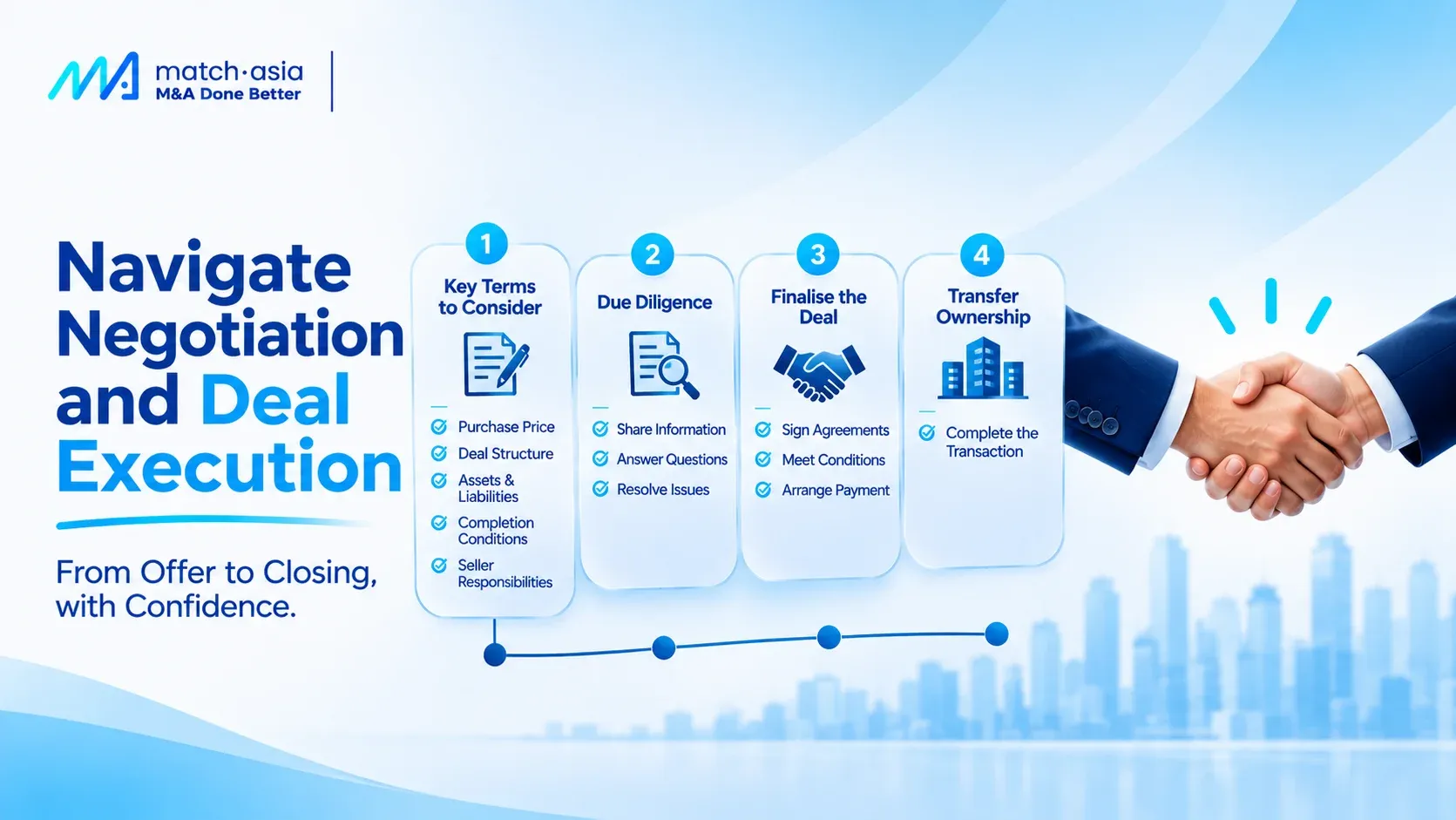
When a buyer expresses serious interest, negotiations move towards agreeing on the price, payment arrangements and other transaction conditions. The buyer may submit an initial offer or a letter of intent (LOI) outlining the proposed transaction. Depending on how it is drafted, the LOI may be non-binding overall while containing specific binding provisions. Before accepting an offer, consider:
-
- Purchase price: Whether the proposed amount reflects the business's performance and your objectives.
-
- Deal structure: How payment will be made and whether any amount is deferred or conditional.
-
- Assets and liabilities: Which assets, contracts and obligations are included in the transaction.
-
- Completion conditions: Whether the sale depends on financing, approvals or other requirements.
-
- Seller responsibilities: Whether you must provide training or transition support after completion.
Once the main terms are agreed, the buyer typically conducts due diligence to verify financial, legal, commercial and operational information. Be prepared to provide supporting documents and respond to questions accurately. If issues arise, discuss them openly with the buyer and your professional advisers. Depending on their significance, they may require clarification, further investigation or changes to the proposed terms. The final stage involves completing the necessary agreements, satisfying outstanding conditions, arranging payment and transferring ownership as agreed.
Legal, tax and regulatory requirements vary by jurisdiction, so seek appropriate professional advice. Selling an SME is a significant undertaking, but a clear plan can make the process more manageable. By understanding your business's value, preparing thoroughly, targeting qualified buyers and managing negotiations carefully, you can approach the sale with greater confidence and make informed decisions about your company's future.
Conclusion
Selling an SME successfully requires more than finding a buyer. It involves understanding your business's value, preparing for a sale, choosing the right exit strategy and identifying qualified buyers who recognise the company's potential. From initial buyer outreach to negotiations, due diligence and closing, each stage plays an important role in achieving a successful transaction. For SME owners considering an exit, preparing early and managing the process carefully can help reduce uncertainty and support better-informed decisions. With match.asia, business owners can explore M&A opportunities across Asia and connect with potential buyers as they plan their next chapter.